Trade shows and exhibitions require significant investments of time, budget, and resources. Booth space, stand construction, travel, accommodation, staffing, and marketing all add up quickly. To justify these investments and continuously improve results, companies must clearly understand how to measure trade show effectiveness.
This guide outlines the most important KPIs, methods, and tools to evaluate whether a trade show delivered real business value.
1. Define Clear Trade Show Goals First
Measuring effectiveness starts before the event. Without clear objectives, success cannot be quantified.
Common trade show goals include:
- Generating qualified leads
- Strengthening brand awareness
- Meeting existing clients or partners
- Launching new products or services
- Conducting market or competitor research
Each goal should be specific and measurable, for example:
- Generate 150 qualified leads
- Book 20 post-show sales meetings
- Increase brand awareness in a new market
Your KPIs should always align directly with these goals.
2. Trade Show Lead Generation Metrics
For most B2B exhibitors, lead generation is the primary success factor.
Key metrics to track:
- Number of leads collected
- Lead quality (decision-maker level, company size, buying intent)
- Cost per lead (total trade show cost ÷ number of qualified leads)
- Conversion rate from lead to opportunity or sale
Segmenting leads (e.g., hot, warm, cold) during the show is also a stellar approach to improving post-event follow-up and measurement accuracy.
3. Sales and Revenue Impact
Trade shows often influence revenue over a longer sales cycle. Measuring effectiveness, therefore, requires both short- and long-term tracking.
Important indicators include:
- Number of deals influenced by the trade show
- Pipeline value generated
- Closed-won revenue attributed to the event
- Average deal size compared to non-event leads
Using CRM systems to tag trade show leads ensures proper attribution even months after the event.
4. Brand Awareness and Visibility
Not all trade show success is immediately measurable in sales figures. Brand exposure and market positioning also matter.
Ways to measure brand impact:
- Number of booth visitors
- Social media mentions and engagement during the event
- Website traffic spikes during and after the trade show
- Press coverage or media mentions
- Survey-based brand recall before and after the event
These metrics are especially important for first-time exhibitors or companies entering new markets.
5. Engagement and Booth Performance
How visitors interact with your booth provides valuable insights into effectiveness.
Metrics to consider:
- Average dwell time at the booth
- Number of product demos or presentations held
- Meeting bookings during the show
- Engagement with interactive elements (screens, scanners, giveaways)
High engagement often correlates with higher lead quality and better post-show conversion rates.
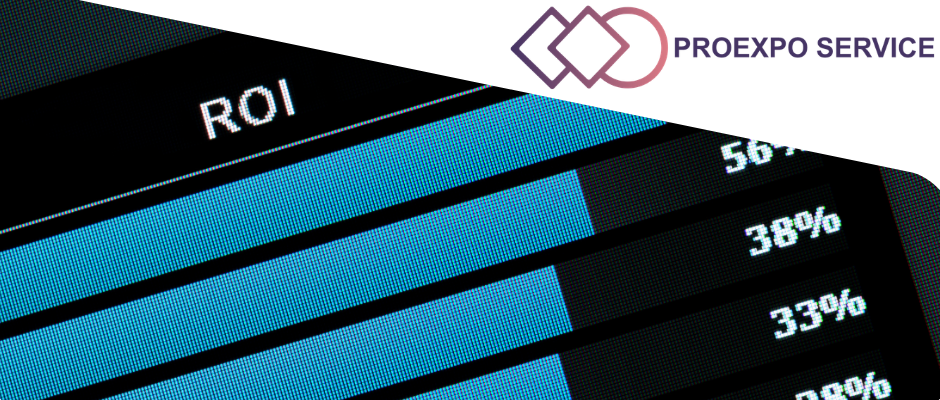
6. Cost and ROI Analysis
Understanding financial performance is essential to justify future participation.
Key cost components include:
- Booth rental and construction
- Marketing materials and promotions
- Staff travel and accommodation
- Logistics and shipping
To calculate ROI:
Trade Show ROI = (Revenue Generated – Total Trade Show Cost) ÷ Total Trade Show Cost
Even if revenue is delayed, estimating pipeline value helps evaluate whether participation was worthwhile.
7. Post-Show Follow-Up Effectiveness
A trade show’s success is strongly influenced by what happens after the event.
Focus on measuring things such as:
- Speed of follow-up (time to first contact)
- Email open and response rates
- Number of meetings scheduled post-show
- Lead nurturing performance
Fast, structured follow-up significantly increases conversion rates and overall trade show effectiveness.
8. Internal and Operational Learnings
Finally, qualitative feedback helps optimize future events.
Gather insights from:
- Booth staff feedback
- Sales and marketing alignment reviews
- Visitor feedback surveys
- Observations of competitor activity
These learnings support better booth design, staffing, messaging, and budgeting decisions for future trade shows.
Turning Trade Shows into Measurable Success
Measuring trade show effectiveness requires a combination of quantitative KPIs and qualitative insights. By defining clear goals, tracking the right metrics, and integrating trade show data into your CRM and marketing systems, exhibitions become a measurable and optimizable marketing channel.
Companies that consistently analyze their performance not only justify their trade show budgets but also continuously improve results, lead quality, and long-term ROI.
In short, trade shows should never be evaluated solely on gut feeling. With the right framework, their impact becomes clear, actionable, and scalable.
Recent Posts